

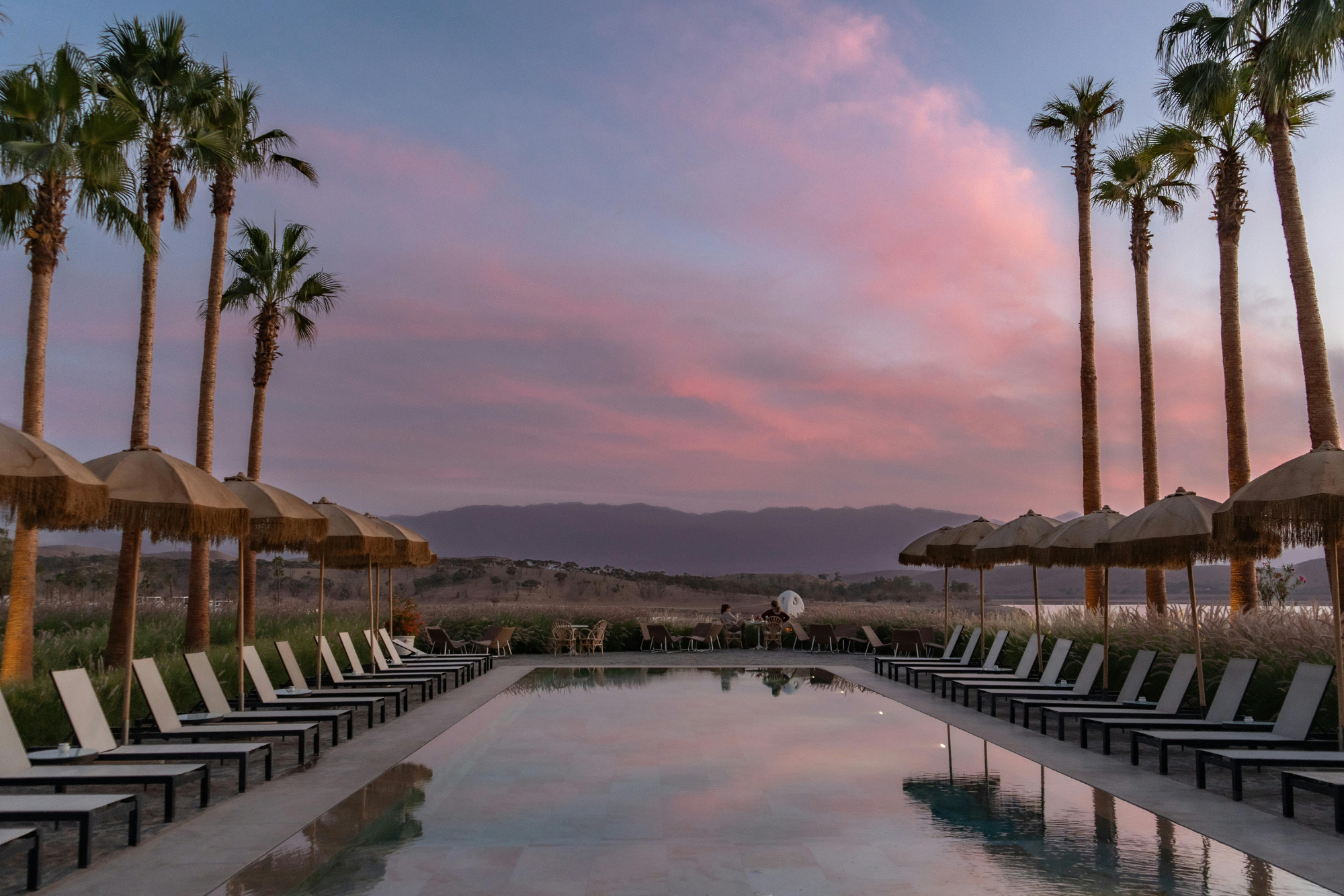
Aging Well by Design: The Future of Adaptive Living & Resort Style Environments
Aging well isn’t about slowing down or settling for less.
It’s about living easier, longer — and intentionally by design.
For decades, aging has been framed around compromise. Downsizing. Limiting lifestyle. Planning around decline rather than possibility. But a new generation of homeowners, developers, and designers is redefining what aging well truly means.
Today, aging well is not about adapting to limitations. It is about environments that quietly adapt to you.
The Global Shift Toward Longevity Living
We are entering one of the most significant demographic shifts in modern history.
- By 2030, nearly 1 in 5 Americans will be over age 65
- The global longevity economy is projected to exceed $27 trillion annually
- The global wellness real estate market is expected to surpass $900 billion by 2028
- Studies show that homes designed with wellness and accessibility features can increase long-term livability by up to 30% while reducing healthcare-related relocation costs
- Nearly 90% of adults over 65 report wanting to age in place rather than move into institutional care environments
These statistics reflect a growing reality: longevity is increasing, but expectations for quality of life are rising even faster.
The question is no longer how long we live, but how well we live.
What Aging Well Actually Looks Like
Aging well is not about slowing down.
It is not about downsizing into something lesser.
And it is certainly not about living around limitations.
Aging well looks like living with ease.
It looks like:
Effortless Daily Living
Spaces designed so daily routines feel natural rather than managed. Smart layouts, intuitive circulation, and integrated technology reduce physical and cognitive strain while preserving independence.
Concierge-Inspired Lifestyle Support
Modern longevity living incorporates discreet support services that remove friction without removing autonomy. From wellness coordination to hospitality-level service models, these environments provide assistance that enhances freedom rather than replacing it.
Wellness-Driven Environments
Architecture plays a direct role in physical and mental health. Research shows that environments designed with natural light, movement pathways, air quality optimization, and biophilic design can improve cognitive health, mobility, and emotional well-being.
Homes That Quietly Adapt Over Time
Future-ready environments anticipate life transitions before they occur. Adaptable layouts, multi-generational living solutions, and flexible infrastructure allow homes and communities to evolve with changing needs.
Redefining Luxury
Luxury is shifting from material excess to experiential richness. Time, comfort, convenience, and wellness are now considered the highest markers of elevated living.
Concierge Living: A New Model for Independence
Concierge living represents one of the fastest growing sectors within adaptive housing and wellness real estate.
Unlike traditional assisted living or senior housing, concierge-driven environments prioritize lifestyle first, integrating support services seamlessly into daily life.
In concierge living:
- Support is built in, but never front and center
- Wellness is integrated, but never institutional
- Independence is protected through thoughtful design
- Community engagement becomes effortless rather than programmed
These environments mirror luxury hospitality standards, combining residential comfort with service models typically reserved for high-end resorts and private clubs.
Benchmark Projects & Emerging Design Trends
Across the world, developers and design firms are investing heavily in environments that redefine longevity living. Several benchmark concepts are shaping the future of aging well:
Multi-Generational Living Communities
Communities designed to support multiple generations within one environment are gaining significant traction. These developments improve social connection, reduce isolation, and create sustainable family support systems.
Wellness-Integrated Residential Communities
Luxury developments increasingly incorporate wellness centers, walking networks, movement studios, preventative healthcare access, and nature-integrated environments directly into residential master planning.
Adaptive Private Residences
Custom homes designed with hidden adaptability allow homeowners to remain in their residences longer without visible accessibility modifications. Features may include:
- Zero-threshold circulation
- Convertible living spaces
- Integrated smart home wellness monitoring
- Seamless indoor-outdoor transitions that support mobility and social living
Hospitality-Inspired Longevity Developments
Developers are drawing inspiration from luxury resort environments, blending service, experience, and residential living into one cohesive lifestyle model.
The Economic and Social Impact of Designing for Aging Well
Designing for longevity does not just improve individual quality of life — it creates measurable economic and social value.
Homes and communities designed for aging in place can:
- Reduce long-term healthcare and assisted living costs
- Increase property longevity and resale value
- Support stronger community engagement and social well-being
- Extend independence by several years for residents
- Create highly desirable luxury real estate segments
Forward-thinking developers are increasingly recognizing adaptive living and human-centered life design as both a social responsibility and a strong market opportunity.
Aging Well Is a Design Outcome
At RAAD Ghantous & Associates, aging well is never treated as an afterthought or accommodation. It is approached as a core architectural philosophy.
Through human-centered, future-ready design, the firm creates environments that:
- Anticipate life transitions before they occur
- Preserve dignity, independence, and lifestyle continuity
- Integrate wellness into everyday living
- Balance beauty, function, and adaptability seamlessly
Whether designing private residences, multi-generational communities, or wellness-driven living environments, RAAD Ghantous & Associates believes the most successful projects are those that evolve with the people who live within them.
Living Better, Longer — By Design
Aging well is no longer defined by compromise or limitation. It is defined by intentional living environments that support movement, connection, wellness, and independence.
It is about waking up each day in a space that feels effortless.
It is about homes that evolve quietly alongside life.
It is about redefining luxury as comfort, time, and experience.
Aging well is not a phase of life.
It is a design opportunity.
RAAD Ghantous & Associates specializes in adaptive living environments that support longevity, independence, and elevated lifestyle experiences. To learn more about designing environments that evolve with life, connect with our team to begin your next project.