

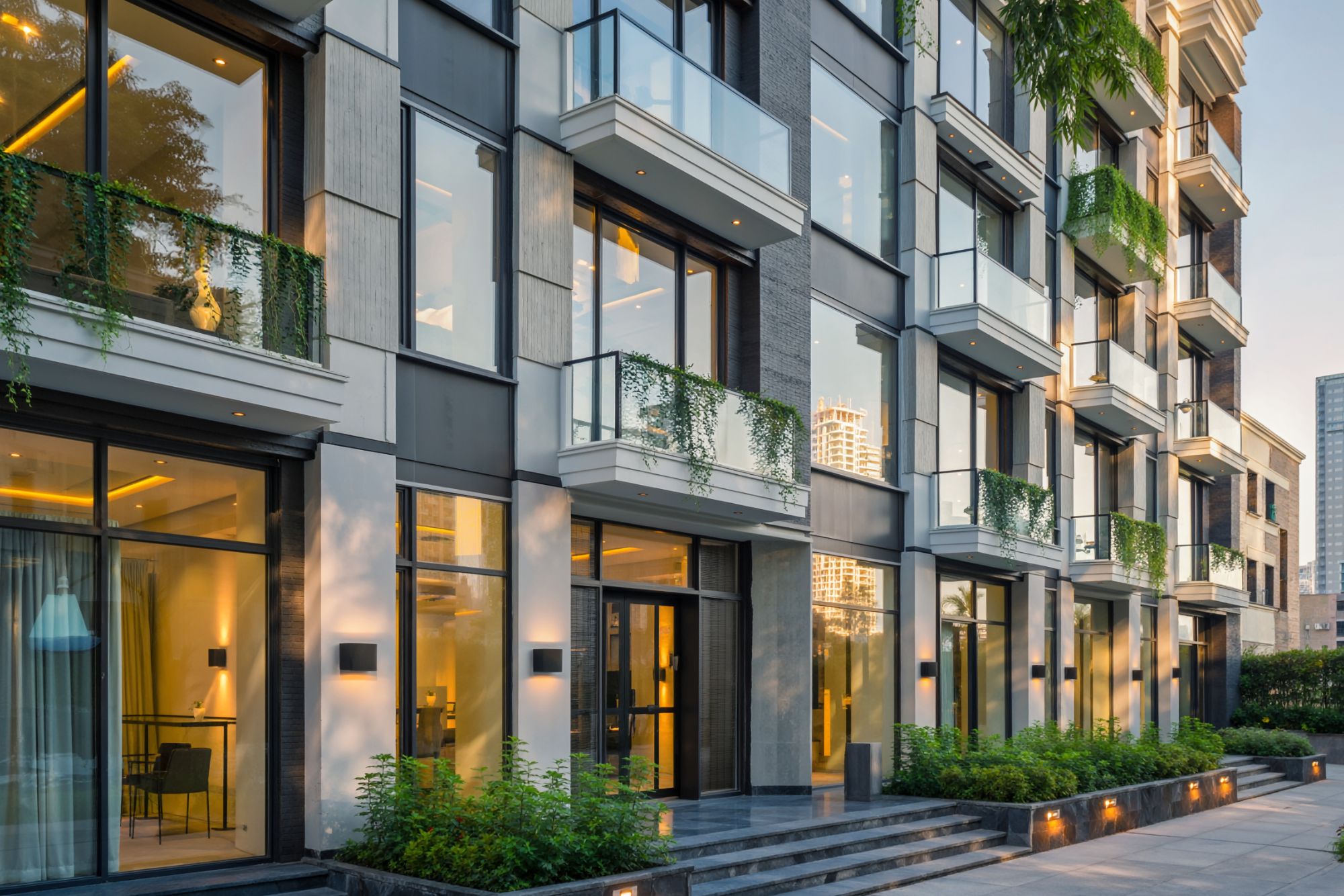
Is Our Urban Planning Ready for Multigenerational Apartment Living?
For generations, urban planning has shaped cities around a predictable model: one household, one life stage, one housing type, and one way to live.
But society has changed — dramatically.
Families are more diverse. Longevity is increasing. Caregiving responsibilities are shifting. Work, lifestyle, and economic pressures are redefining how people use their homes and communities.
Yet much of our urban planning still reflects a nostalgic vision of housing rather than the lived reality of modern residents.
Cities must begin planning for how people actually live today — and how they will live tomorrow.
The Housing Model Cities Were Built On No Longer Reflects Reality
The traditional housing model assumed a linear life pattern: young adulthood, family formation, children leaving home, and eventual downsizing or relocation to age-specific housing.
That model is quickly disappearing.
Recent demographic and housing data highlight the growing mismatch between current housing supply and modern living patterns:
-
Nearly 50% of U.S. households today are classified as non-traditional households, including multigenerational families, shared living arrangements, and single-resident households
-
The average American is expected to move approximately 11 to 12 times during their lifetime, often due to housing that cannot adapt to changing needs
-
More than 70% of aging homeowners report that their current home lacks features that support long-term accessibility
-
Caregiving responsibilities are rising, with nearly 53 million Americans providing unpaid care to aging relatives or family members with medical needs
-
Over 65% of younger adults say housing affordability influences whether they live with family longer or combine households
These trends are not temporary shifts. They represent structural changes in how families and communities function.
Cities Must Plan for Reality, Not Nostalgia
Despite these changes, many urban planning frameworks continue to prioritize static housing models. Current regulations often:
-
Restrict housing flexibility through rigid zoning laws
-
Limit household density within existing neighborhoods
-
Separate housing types by age or lifestyle
-
Discourage adaptable floor plans and shared living solutions
The result is housing stock that becomes outdated faster, forcing residents to relocate instead of allowing their homes to evolve with them.
Urban planning must move beyond nostalgia-driven assumptions and begin designing cities around real human behavior.
What Needs to Change in Urban Housing Planning
Design Housing for Multiple Life Stages — Not Single-Use Living
Housing should no longer be viewed as a fixed solution for one phase of life. Instead, adaptable homes allow residents to remain in place as family size, caregiving needs, or mobility requirements change.
Studies show adaptable housing can extend residency by 7 to 10 years, reducing relocation costs and maintaining community continuity.
Normalize Multigenerational Apartments and Housing Models
Multigenerational housing is rapidly becoming a preferred lifestyle model rather than an economic fallback.
Developments that incorporate adjacent living units, shared but flexible common spaces, and privacy-balanced layouts support family caregiving while maintaining independence for all residents.
Developers incorporating multigenerational housing options report higher occupancy stability and stronger long-term tenant retention.
Allow Flexible Unit Layouts and Adjacency for Caregivers and Families
Flexible housing design allows units to expand, contract, or reconfigure as family needs evolve. Features such as convertible suites, dual primary living spaces, and adaptable circulation patterns provide long-term usability without requiring structural relocation.
Housing flexibility not only supports family caregiving but also increases real estate longevity and resale value.
Use Accessory Dwelling Units (ADUs) and Urban Infill Strategically
ADUs and urban infill housing provide one of the most efficient ways to increase housing supply without expanding infrastructure footprints.
Cities that have expanded ADU policies have seen:
-
Housing permit increases of up to 35% in targeted neighborhoods
-
Expanded housing affordability without major zoning disruption
-
Increased opportunities for family-based caregiving and rental flexibility
When planned strategically, ADUs strengthen neighborhood stability rather than increasing density conflicts.
Plan Neighborhoods for Daily Life — Not Just Density Targets
Urban planning often focuses heavily on housing volume metrics rather than lifestyle functionality.
Future-ready neighborhoods prioritize:
-
Walkable access to daily services
-
Integrated healthcare, education, and wellness infrastructure
-
Mixed-use environments that support social connection
-
Mobility systems designed for residents across all ages and abilities
Communities designed around daily life improve resident satisfaction, reduce transportation strain, and support long-term economic resilience.
Why Adaptive Urban Housing Matters
Designing housing that evolves alongside residents creates measurable benefits across economic, social, and environmental sectors.
Housing That Adapts Remains Relevant Longer
Adaptable housing reduces renovation frequency, supports aging in place, and maintains property desirability across generations.
Cities Reduce Displacement and Infrastructure Strain
When residents remain in communities longer, cities reduce demand for emergency housing, transportation expansion, and healthcare-related relocation services.
Developers Gain Broader Market Demand
Flexible housing attracts a wider demographic range, including families, caregivers, aging residents, and younger shared-living households.
Communities Become More Stable and Connected
Neighborhoods designed for life-stage transitions encourage long-term residency, social cohesion, and stronger community identity.
Urban Planning Must Evolve or Cities Will Continue Reacting Instead of Leading
The pace of demographic change is accelerating. Cities that fail to adapt risk creating housing shortages, infrastructure strain, and social fragmentation.
Future-ready cities will be those that:
-
Prioritize housing flexibility and adaptability
-
Embrace multigenerational and shared living models
-
Integrate healthcare, wellness, and mobility planning
-
Align zoning policy with demographic reality
-
Design neighborhoods that support life across generations
Urban planning must transition from static land-use frameworks to human-centered life design.
Designing Urban Housing Around How People Truly Live
At RAAD Ghantous & Associates, urban housing is approached through a holistic design philosophy that aligns planning, architecture, and lived human experience.
The firm develops housing concepts that:
-
Support multigenerational and adaptable living models
-
Integrate wellness and accessibility into residential design
-
Create long-term flexibility in housing layouts and infrastructure
-
Balance density goals with lifestyle functionality
-
Strengthen community resilience through human-centered planning
Because the future of cities depends on housing that evolves with the people who live within them.
The Future of Urban Planning Will Be Defined by Adaptability
Cities that succeed in the coming decades will not simply expand housing supply. They will redesign housing to reflect real life — diverse families, evolving needs, and increasing longevity.
Urban planning must evolve from preserving outdated housing models to creating environments that anticipate how society is changing.
Because cities that design for adaptability today will lead tomorrow.
Planning Cities Around Real Life
RAAD Ghantous & Associates partners with municipalities, developers, and planners to create adaptive urban housing solutions that reflect modern living patterns and future demographic needs.
To explore how adaptive design can support future-ready housing development, connect with RAAD Ghantous & Associates and begin shaping the next generation of urban living.